01
Human translesion synthesis and DNA polymerase eta
How do human cells copy damaged DNA without converting every replication block into genome instability?
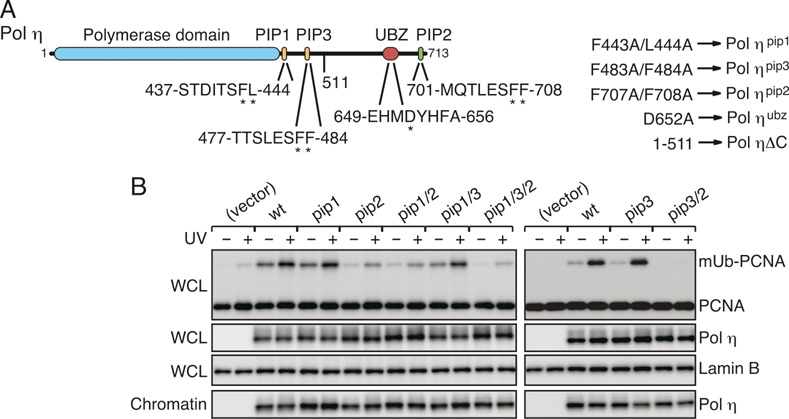
The laboratory studies translesion DNA synthesis, which lets specialised polymerases copy lesions that stall normal replication. Masutani’s foundational work identified human DNA polymerase eta as the XPV gene product, explaining the sunlight-cancer susceptibility of xeroderma pigmentosum variant cells.
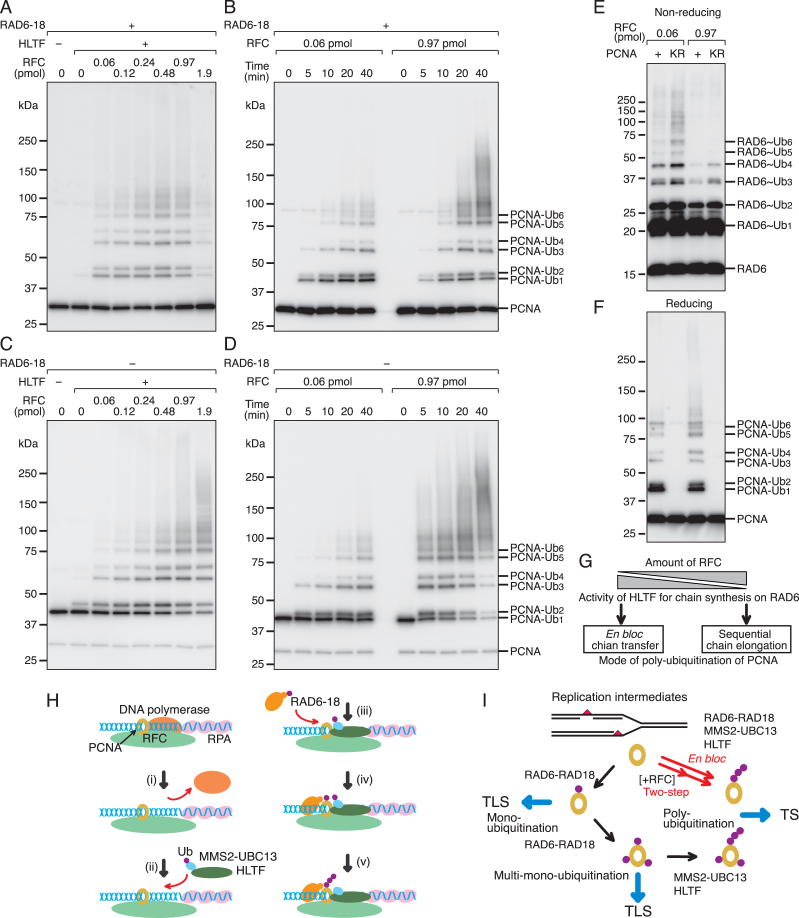
Current work examines how Y-family polymerases engage PCNA and damaged templates, connecting purified-protein mechanism to cellular genome stability.