DNA damage tolerance · translesion synthesis · genome stability
Masutani Lab
Nagoya UniversityWelcome to our lab
Masutani Lab
The Masutani laboratory investigates how human cells tolerate DNA lesions that obstruct replication, focusing on translesion synthesis, PCNA ubiquitination, DNA polymerase eta and ubiquitin-dependent genome maintenance.
Principal investigator
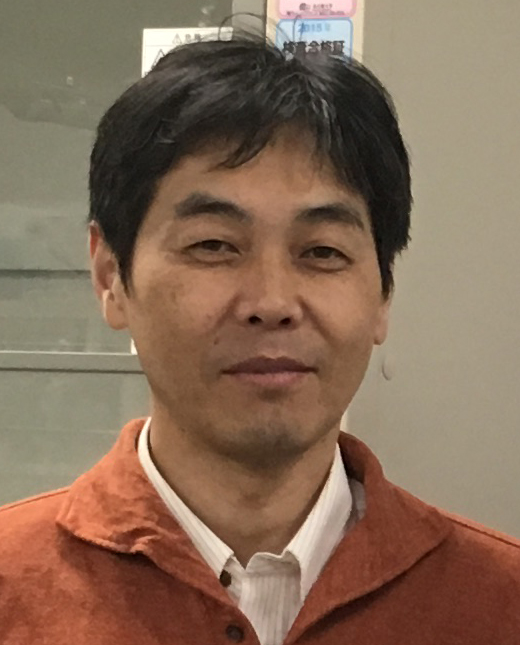
Chikahide Masutani, Ph.D.
Professor of Genome Dynamics
The Masutani laboratory investigates how human cells tolerate DNA lesions that obstruct replication, focusing on translesion synthesis, PCNA ubiquitination, DNA polymerase eta and ubiquitin-dependent genome maintenance.
Official profile →Research programmes
Four routes through replication stress
01
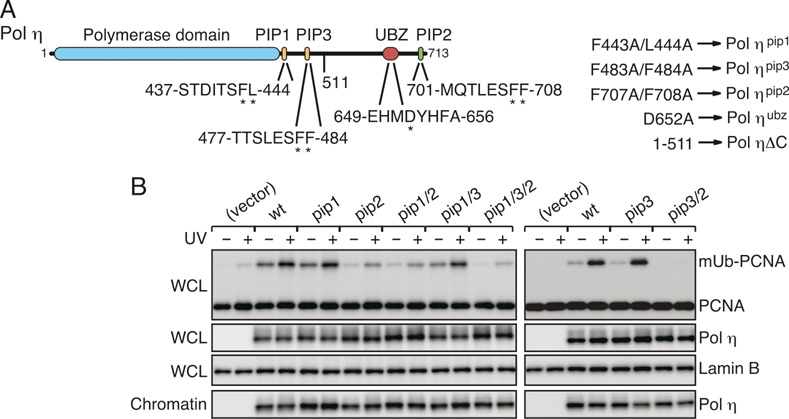
Human translesion synthesis and DNA polymerase eta
How do human cells copy damaged DNA without converting every replication block into genome instability?
02
PCNA ubiquitination and damage-tolerance pathway choice
How does modification of the replication clamp route damaged forks toward TLS or template switching?
03
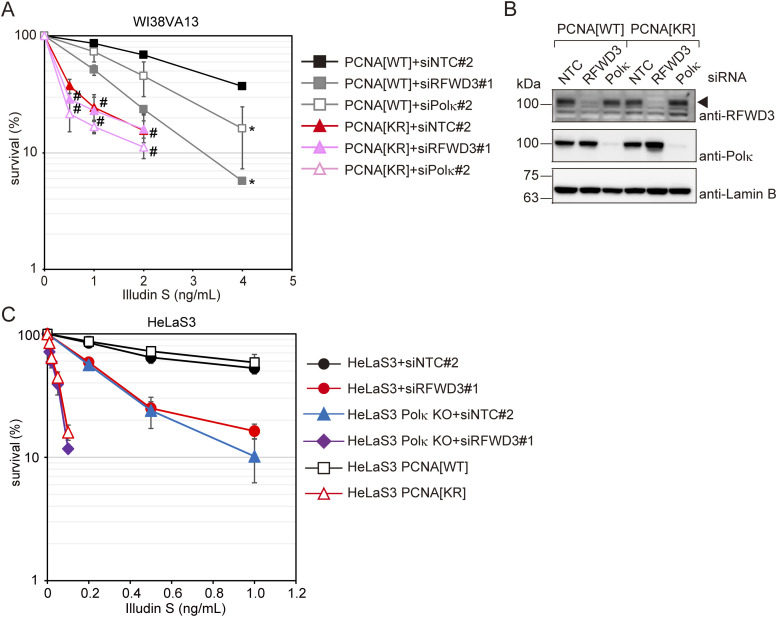
RFWD3-dependent DNA damage tolerance
How does RFWD3 coordinate PCNA modification and TLS polymerases during replication stress?
04
DNA–protein crosslinks and ubiquitin-controlled repair
How are bulky covalent protein–DNA adducts removed so replication can resume?
Selected publications
Recent and defining work
2023↗2022↗2019↗2019↗2018↗
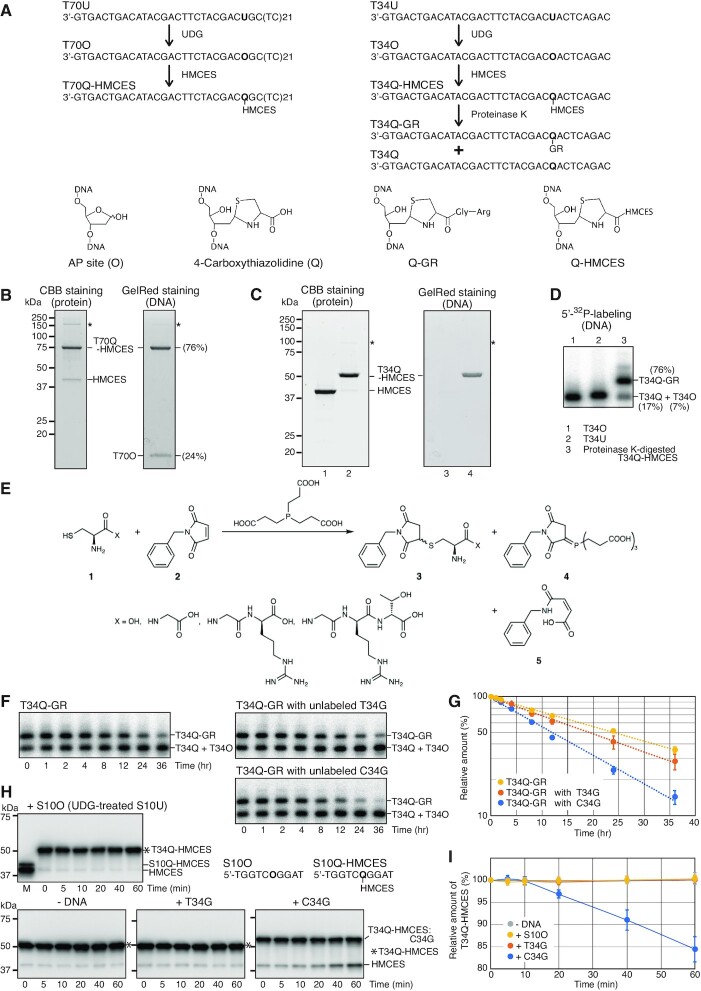
Novel mechanisms for the removal of strong replication-blocking HMCES- and thiazolidine-DNA adducts in humans
Nucleic Acids Research
RFWD3 and translesion DNA polymerases contribute to PCNA modification–dependent DNA damage tolerance
Life Science Alliance
Stepwise multipolyubiquitination of p53 by the E6AP-E6 ubiquitin ligase complex
Journal of Biological Chemistry
Preferential digestion of PCNA-ubiquitin and p53-ubiquitin linkages by USP7 to remove polyubiquitin chains from substrates
Journal of Biological Chemistry
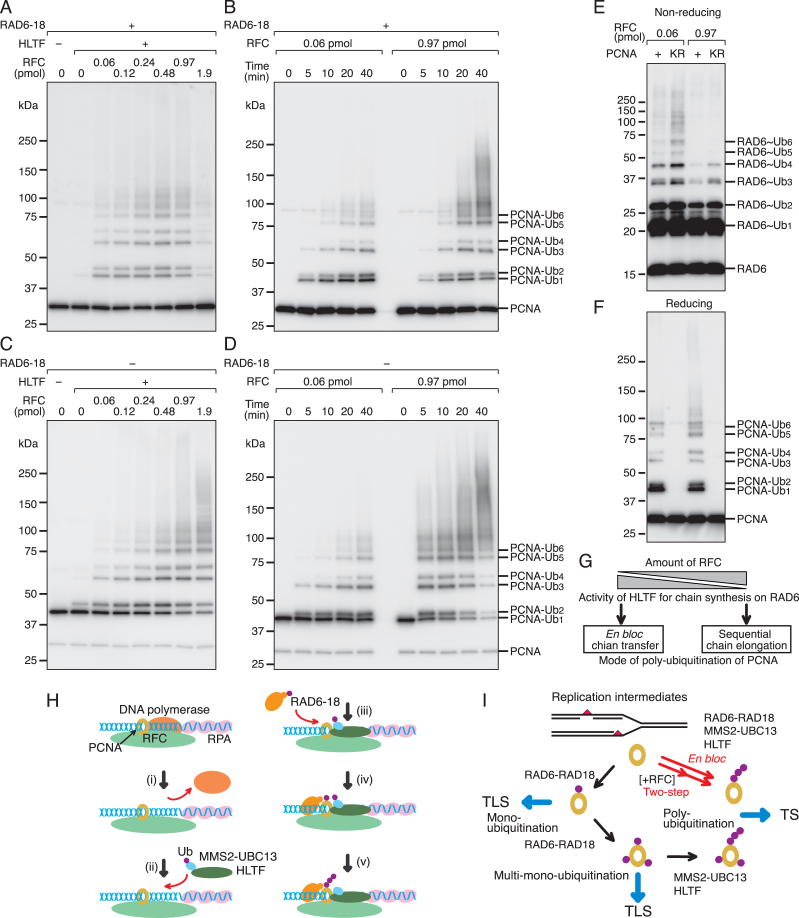
Regulation of HLTF-mediated PCNA polyubiquitination by RFC and PCNA monoubiquitination levels determines choice of damage tolerance pathway
Nucleic Acids Research
Join the lab